.jpg)
Causes and Symptoms of Tennis Elbow and Golfer’s Elbow
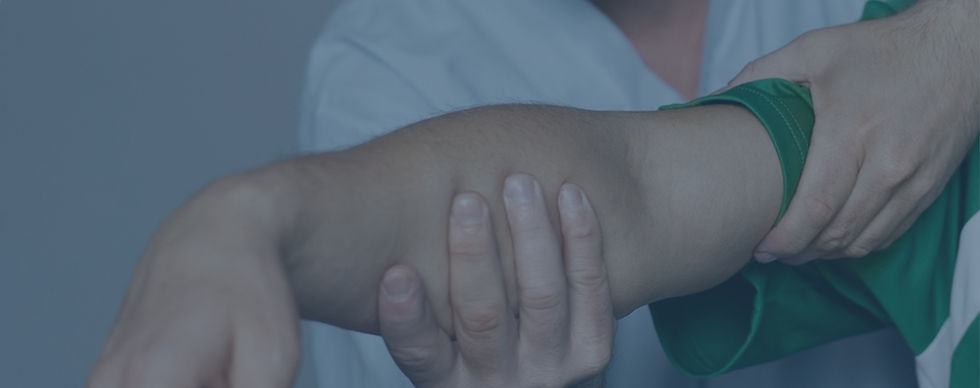
Tennis elbow and golfer’s elbow are common overuse injuries affecting the tendons around the elbow joint. These conditions are usually caused by repetitive arm and wrist movements, often linked to work activities, sports, or poor movement habits.
Symptoms may include pain around the elbow, tenderness to touch, weakness in the forearm, and difficulty gripping objects. Tennis elbow affects the outer part of the elbow, while golfer’s elbow affects the inner side.
.png)
Conditions Managed with Tennis Elbow and Golfer’s Elbow Treatment
The clinic offers effective care for a range of elbow and forearm problems, helping reduce pain and restore strength and mobility.
01
Outer Elbow Pain (Tennis Elbow)
Pain on the outside of the elbow caused by repetitive strain. Treatment focuses on reducing stress on the tendons and improving movement.
02
Inner Elbow Pain (Golfer’s Elbow)
Pain on the inside of the elbow due to overuse of forearm muscles. Care is aimed at easing tension and promoting healing.
03
Forearm Tightness and Strain
Overuse can lead to muscle tightness and discomfort. Treatment helps improve flexibility and reduce strain and support recovery and mobility effectively.
04
Repetitive Arm Injuries
Frequent movements from work or sports can cause ongoing stress. Treatment helps prevent further irritation and supports recovery.
05
Elbow Pain from Daily Activities
Tasks like typing, lifting, or tool use can contribute to elbow pain. The clinic provides strategies to reduce strain and improve function.
.png)
Why choose 1st Chiropractic Clinics for Tennis Elbow and Golfer’s Elbow Treatment
The clinic provides personalised tennis elbow and golfer’s elbow treatment designed to target both symptoms and underlying causes. Each patient receives a detailed assessment and a tailored treatment plan for effective results.
Treatment includes chiropractic care, soft tissue therapy, and specific exercises to support tendon healing and restore normal movement.
Patients are also guided on posture, ergonomics, and activity adjustments to help maintain results and prevent recurrence.