
Wrist and Hand Pain: Causes, Symptoms, and Targeted
Care
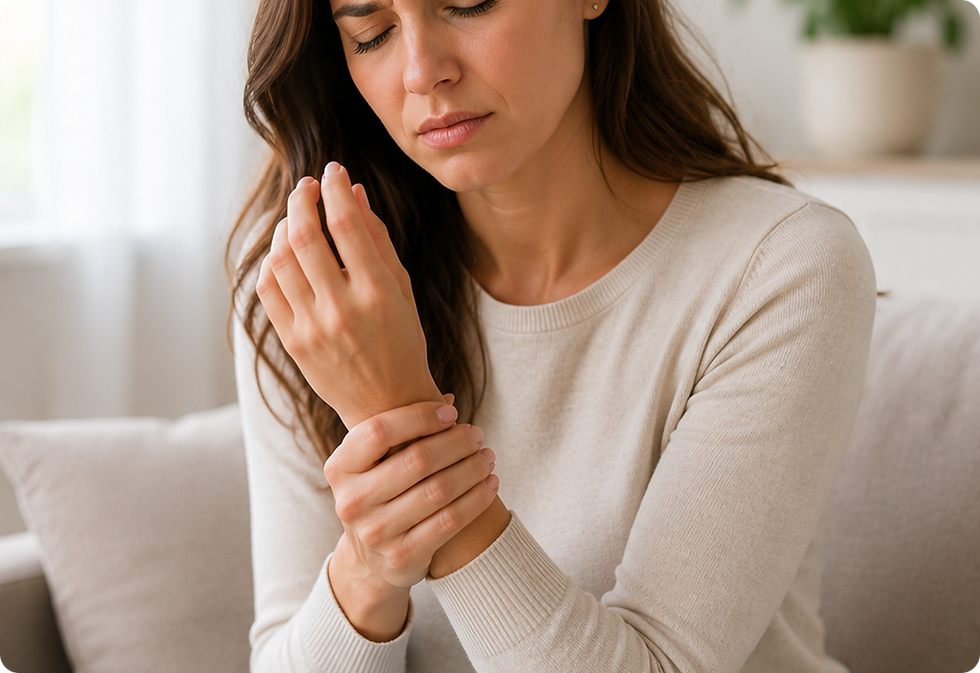
Pain in the wrist and hand can develop from repetitive strain, overuse, injury, or underlying joint and nerve conditions. It may build gradually over time or occur suddenly after a specific movement or activity.
Common symptoms include aching, stiffness, weakness, swelling, tingling, or numbness in the fingers or wrist. In some cases, pain may worsen with movement or prolonged use of the hands.
.png)
Conditions Treated with Wrist and Hand Pain Treatment
The clinic provides specialised care for a range of conditions affecting the wrist and hand, focusing on reducing pain and restoring normal function.
01
Carpal Tunnel Syndrome
Compression of median nerve in the wrist causes tingling, numbness and weakness in the hand. Treatment relieves pressure and improves nerve function. now
02
Wrist Sprains and Strains
Injuries to the ligaments or muscles can lead to pain and reduced mobility. Care supports healing and helps restore strength and stability.
03
Tendonitis in the Wrist or Hand
Inflammation of the tendons due to repetitive movement can cause persistent discomfort. Treatment aims to reduce irritation and promote recovery.
04
Hand and Finger Joint Pain
Joint stiffness or pain in the fingers can affect grip and dexterity. The clinic works to improve joint mobility and reduce discomfort.
05
Repetitive Strain Injuries (RSI)
Frequent hand movements from work or daily activities can lead to overuse injuries. Treatment focuses on relieving stress and preventing recurrence.
.png)
Why choose 1st Chiropractic Clinics for Wrist and Hand Pain Treatment
The clinic provides personalised wrist and hand pain treatment that targets both symptoms and underlying causes. Each patient receives a customized care plan based on a thorough assessment and clear diagnosis.
Treatment may include chiropractic care, soft tissue techniques, and guided exercises to improve flexibility, strength, and coordination in the wrist and hand.
In addition, patients receive practical advice on ergonomics, posture, and daily habits to support recovery and reduce the likelihood of future pain.